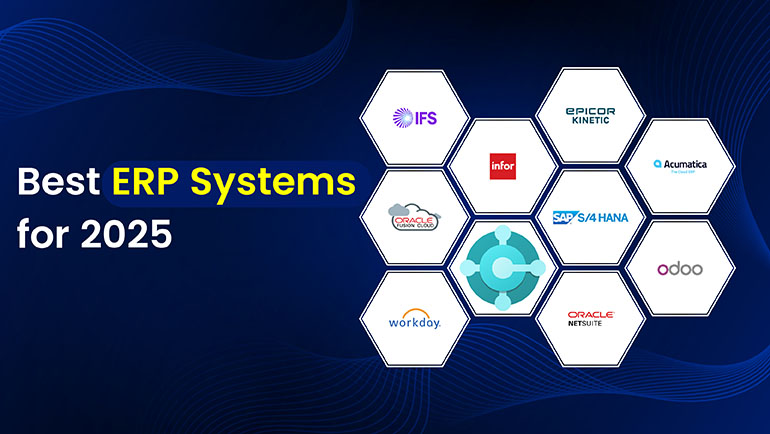
In 2025, mobile ERP (Enterprise Resource Planning) applications are transforming from simple business tools into powerful, intelligent platforms that support real-time decision-making, remote work, and end-to-end digital operations. As businesses continue to prioritize mobility, speed, and accessibility, mobile ERP apps have become a critical component of modern enterprise ecosystems.
1. Mobile-First ERP Becomes the Standard
By 2025, ERP vendors are shifting from “mobile-friendly” to mobile-first designs. Instead of being simplified versions of desktop systems, mobile apps are now fully capable of handling core modules such as inventory, finance, procurement, HR, and CRM. Employees can perform approvals, track KPIs, access dashboards, and manage workflows directly from their smartphones without limitations.
2. AI-Powered Assistance and Automation
AI integration is one of the biggest advancements in mobile ERP apps. In 2025, AI performs key functions such as:
Predicting inventory shortages
Recommending financial actions
Automating repetitive tasks
Analyzing sales or production trends
Providing voice-enabled insights
These intelligent features allow managers to make faster decisions on the go, improving operational agility.
3. Enhanced Security for a Mobile Workforce
With more employees accessing ERP systems remotely, security is a top priority. Mobile ERP apps now come with advanced features such as:
Biometric authentication (face, fingerprint)
Zero-trust access models
Real-time threat detection
Encrypted offline access
These measures ensure that sensitive business data remains protected, even when accessed from personal devices.
4. Offline Mode for Uninterrupted Operations
In 2025, offline functionality becomes essential for field workers, logistics teams, and remote staff. Mobile ERP apps allow users to:
Input data without internet
Continue workflow operations
Sync automatically once connected
This is especially valuable in industries like manufacturing, construction, and agriculture.
5. Integration with IoT, Wearables, and Smart Devices
Mobile ERP systems are now part of a connected ecosystem. They integrate with:
IoT sensors in factories
GPS devices in transport fleets
Wearables used by field workers
Smart scanners for warehouse operations
These integrations provide real-time visibility, reduce manual input, and support faster decision-making.
6. Personalized User Experience
User experience in 2025 focuses on personalization. Mobile ERP apps include:
Custom dashboards
Role-based interfaces
Adaptive menus and notifications
This ensures that each user sees the most relevant data, reducing complexity and increasing productivity.
7. Support for Hybrid and Remote Work
With hybrid work models becoming permanent, mobile ERP apps act as a central hub for distributed teams. They allow employees to:
Collaborate in real time
Access documents and analytics
Monitor operations across locations
Businesses gain operational continuity regardless of where their employees are located.
Conclusion
The future of mobile ERP apps in 2025 is driven by intelligence, mobility, and integration. These apps are no longer just extensions of ERP systems—they are powerful business tools that empower teams, improve decision-making, and support modern, agile operations. Companies that adopt next-generation mobile ERP solutions will gain a significant competitive advantage in responsiveness, efficiency, and digital transformation.