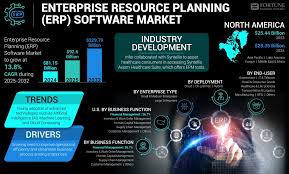
In 2025, Enterprise Resource Planning (ERP) systems are undergoing a major transformation. Traditional ERP platforms, once focused on basic automation and centralized data, are now evolving into intelligent ecosystems powered by Artificial Intelligence (AI). Organizations across industries are recognizing that AI-driven ERP is no longer a luxury—it’s becoming the new global standard. But what is driving this shift, and why is AI so essential for today’s digital enterprises?
1. Enhanced Decision-Making Through Real-Time Insights
AI-powered ERP systems can analyze massive amounts of data in seconds, providing companies with real-time insights that were previously impossible.
Machine learning algorithms identify patterns, predict outcomes, and even recommend the best business decisions. From forecasting demand to optimizing pricing, AI helps leaders make smarter, faster, and more accurate choices.
2. Automation That Goes Beyond Routine Tasks
Automation used to mean handling repetitive tasks like data entry, invoicing, or reporting. In 2025, AI takes this even further.
AI-driven ERP systems can:
Predict inventory needs
Automate financial reconciliations
Optimize production schedules
Detect anomalies in workflows
This advanced automation reduces human error, lowers operational costs, and frees employees to focus on strategic work.
3. Improved Accuracy with Predictive Analytics
Predictive analytics has become one of the most valuable features of AI-enhanced ERP platforms. Instead of reacting to problems, businesses can anticipate them.
For example, manufacturers can predict equipment failures, retailers can predict market shifts, and finance teams can forecast cash flow needs. This level of foresight leads to better planning and long-term stability.
4. Personalized User Experiences
Legacy ERP systems are often complex and difficult to navigate. AI changes that.
In 2025, AI-driven ERP platforms deliver personalized dashboards and recommendations tailored to each user’s preferences, roles, and habits.
Employees get the information they need instantly, making the system easier to use and improving productivity across the organization.
5. Stronger Security and Risk Management
Cybersecurity threats are growing more sophisticated every year. AI-equipped ERPs enhance security through continuous monitoring, anomaly detection, and predictive threat analysis.
Instead of waiting for an attack to happen, the system can identify suspicious behavior and take preventive action—reducing the risk of data breaches and financial loss.
6. Seamless Integration with Emerging Technologies
AI-driven ERP systems integrate naturally with IoT devices, robotic process automation (RPA), blockchain technology, and advanced analytics tools. This makes the ERP system more flexible and future-ready.
Smart sensors, for instance, can feed real-time data directly into ERP dashboards, helping companies increase efficiency and reduce downtime.
7. Competitive Advantage in a Fast-Changing Market
Businesses in 2025 face intense competition and rapidly changing customer expectations.
AI-powered ERP systems help organizations stay agile by:
Speeding up workflows
Reducing operational costs
Improving customer satisfaction
Boosting product and service innovation
Companies that embrace AI-driven ERP gain a significant edge over competitors who rely on outdated systems.
Conclusion
AI-driven ERP systems are becoming the new standard in 2025 because they provide organizations with intelligence, efficiency, and agility that traditional platforms simply cannot match. By combining automation, predictive analytics, security enhancements, and personalized experiences, AI is redefining how businesses operate.
As industries continue to evolve, adopting an AI-powered ERP is no longer optional—it’s essential for staying relevant and competitive in the digital era.