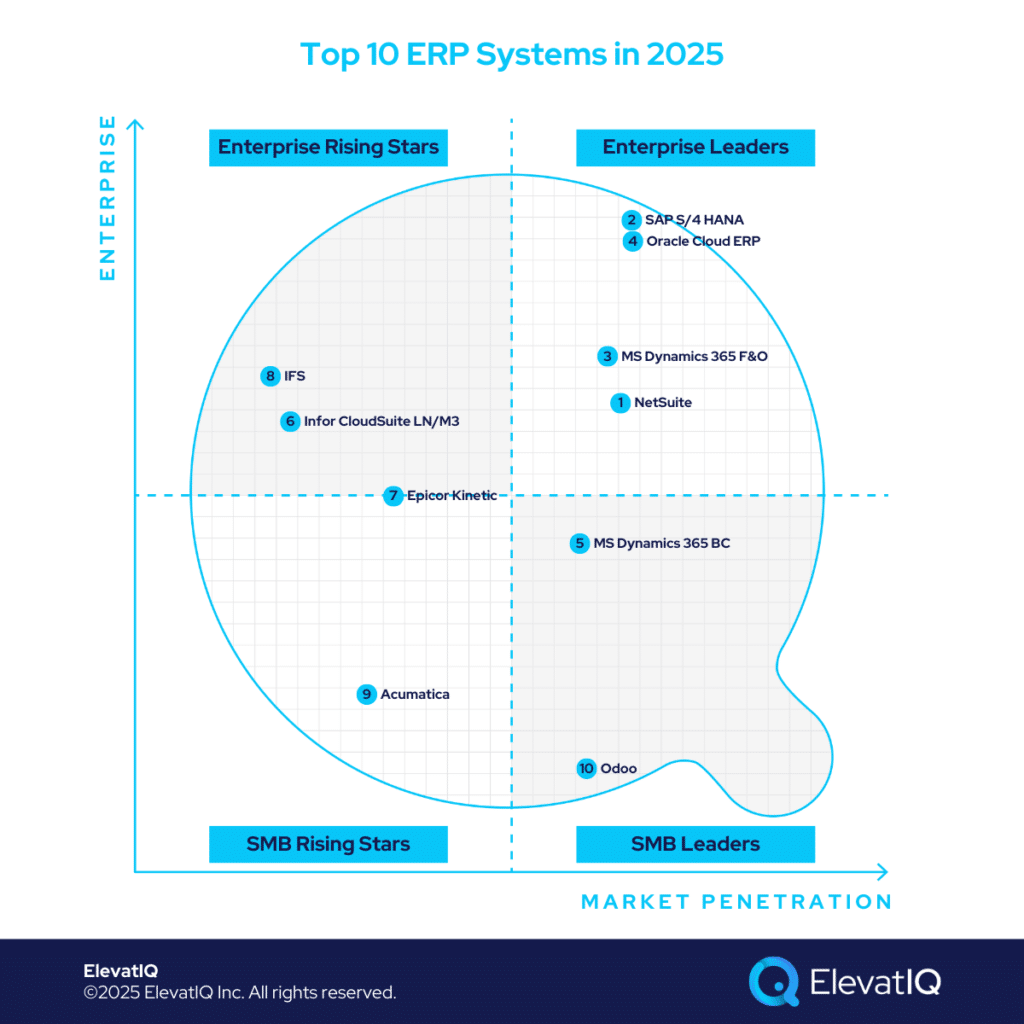
As businesses evolve in the digital era, Enterprise Resource Planning (ERP) systems are undergoing a major transformation. In 2025, the focus is no longer just on system capability—it’s about how users interact with the system. Modern organizations expect ERP platforms to be intuitive, intelligent, and tailored to individual needs. This shift has driven a new wave of next-generation ERP interfaces, where user experience (UX) and personalization take center stage.
1. A New Era of User-Centric ERP Design
Traditional ERP systems were often criticized for being complex, rigid, and difficult to navigate. Today, those expectations have changed dramatically. Next-generation interfaces prioritize simplicity, speed, and ease of use. Modern ERP UX emphasizes:
Minimalist layouts that reduce clutter
Intuitive navigation with guided workflows
Responsive design for seamless use across devices
Task-driven dashboards tailored for specific roles
The result is an ERP environment where users spend less time figuring out the system and more time focusing on productive work.
2. Hyper-Personalization for Each User
One-size-fits-all interfaces are becoming obsolete. In 2025, ERP systems provide flexible personalization options that adapt to user preferences, roles, and behavior patterns. These features include:
Customizable dashboards with drag-and-drop widgets
Adaptive suggestions based on work habits
Role-specific modules that hide irrelevant features
Thematic and accessibility settings such as dark mode, font-level adjusters, and color-blind themes
This shift improves productivity by allowing each employee to create a workspace that feels natural and efficient.
3. AI-Powered UX Enhancements
Artificial intelligence is the driving force behind many UX and personalization advancements. AI-powered ERP interfaces can:
Predict the user’s next action
Automate repetitive tasks
Provide proactive alerts and recommendations
Offer natural-language search and voice commands
In many systems, users can now simply type or speak: “Show me last quarter’s sales report”, and the ERP responds instantly. This level of interaction reduces friction and supports better decision-making.
4. Conversational and Voice-Enabled Interfaces
Conversational UX is becoming a major trend. ERP systems equipped with chatbots and digital assistants allow users to:
Retrieve information
Launch workflows
Generate reports
Troubleshoot issues
—without navigating multiple menus. Voice-enabled ERP interfaces are especially beneficial for employees in warehouses, manufacturing floors, and field operations where hands-free operation is essential.
5. Seamless Mobile UX
The rise of remote and hybrid work models has pushed ERP providers to enhance mobile experiences. In 2025, mobile-first ERP design is standard, offering:
Full feature access on smartphones
Offline mode capabilities
Real-time syncing across devices
Mobile dashboards optimized for quick insights
This ensures users stay productive wherever they are.
6. Data Visualization and Immersive Interfaces
Next-generation ERP systems use advanced visualizations to make data more digestible and actionable. Common enhancements include:
Interactive charts and graphs
Real-time KPI tracking
Drill-down visual analytics
Modern aesthetics using sleek UI elements
Some emerging systems even integrate augmented reality (AR) for inventory scanning, maintenance instructions, and 3D data visualization.
7. Greater Focus on Accessibility
ERP vendors in 2025 prioritize inclusivity, ensuring interfaces meet global accessibility standards. This includes:
Screen-reader compatibility
Keyboard-only navigation
Adjustable contrast and font options
Clear visual feedback for all user actions
Accessible design not only supports regulatory compliance but also enhances usability for all employees.
Conclusion
ERP systems in 2025 are transforming into intelligent, personalized, and highly intuitive platforms. With AI-driven features, customizable interfaces, conversational tools, and user-centric design principles, next-generation ERP interfaces deliver a smoother, more efficient experience for every user. As companies continue to digitalize their operations, the demand for advanced ERP UX and personalization will only increase, shaping the future of enterprise software for years to come.